March brings together three important moments: Ghana Month, International Women’s Day, and World Engineering Day. Together, they create an opportunity to reflect on an important question: How are women in Ghana really doing in engineering?
The answer is both encouraging and challenging.
Women are making progress in engineering, but the numbers show that there is still a significant gap to close. In 2020, women accounted for just 7% of engineers in Ghana, highlighting the longstanding imbalance in the profession.
Yet, the story is changing.
A Changing Landscape For Women In Engineering
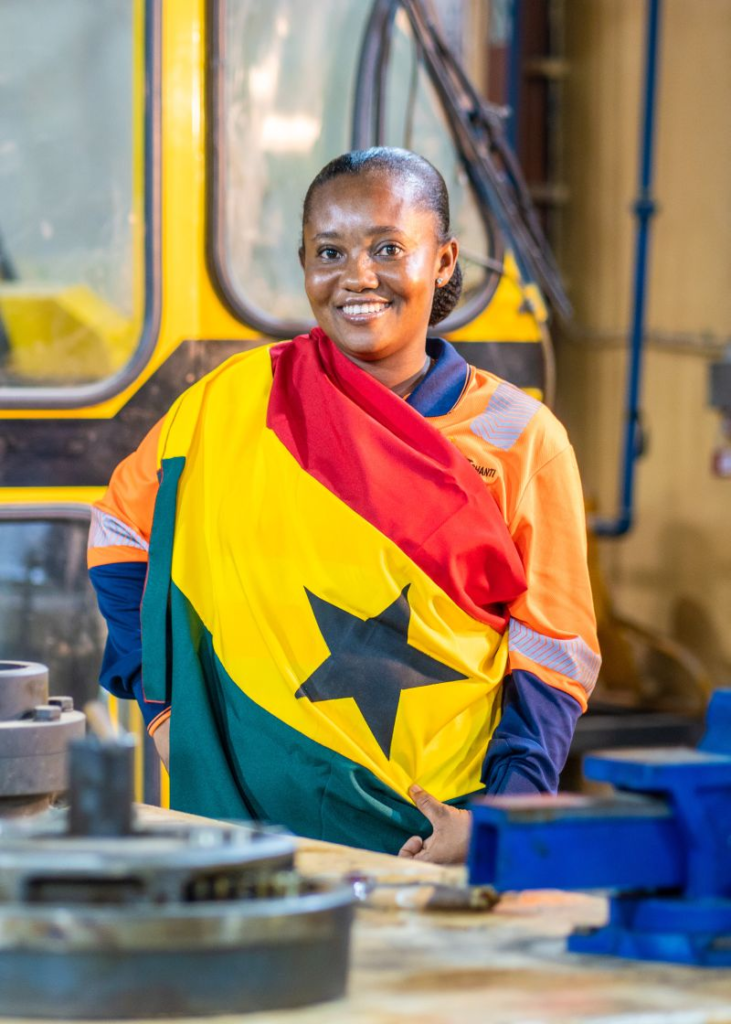
Female participation in engineering has steadily increased over the years.
Female membership in the Ghana Institution of Engineering grew from just 0.2% in 1988 to 9% in 2022. At KNUST, female enrolment in engineering increased from 12.2% to 18.1%, demonstrating a gradual but important shift in participation.
Across institutions, women now represent approximately 10% to 30% of engineering students, while by the third quarter of 2025, women accounted for approximately 25% of technical and engineering-related roles in Ghana.
These figures point to a clear trend: progress is happening, but there is still more work to do.
More importantly, the narrative around women in engineering is changing.
Beyond The Traditional Expectations
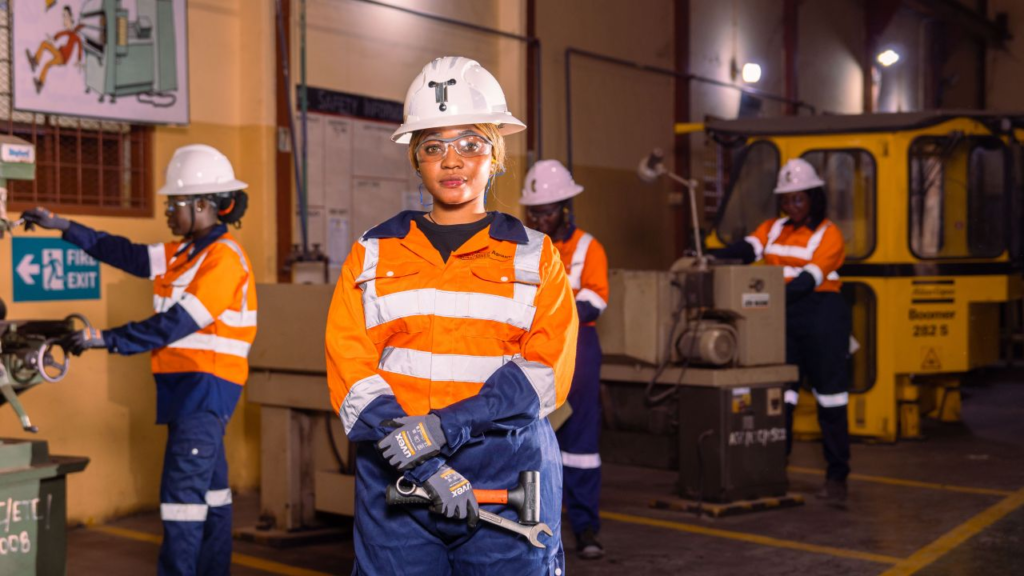
Women in Ghana are no longer simply entering engineering. They are building careers, leading teams, managing projects, operating equipment, and contributing directly to industrial development.
They are CEOs, engineers, technicians, supervisors, project professionals, and skilled operators.
And they are not only working behind desks.
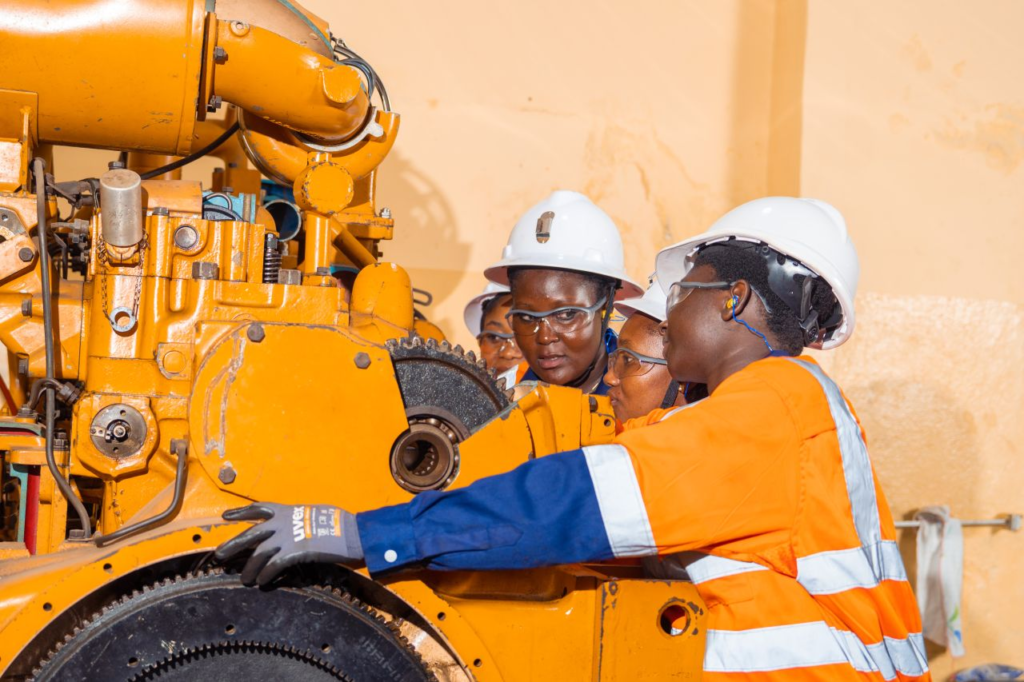
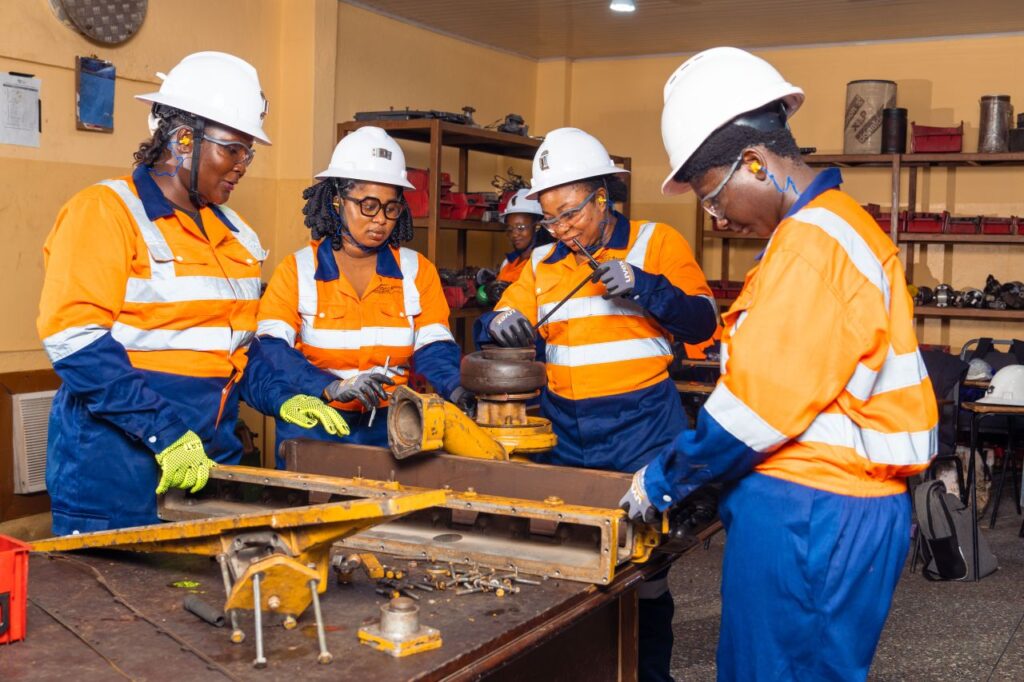
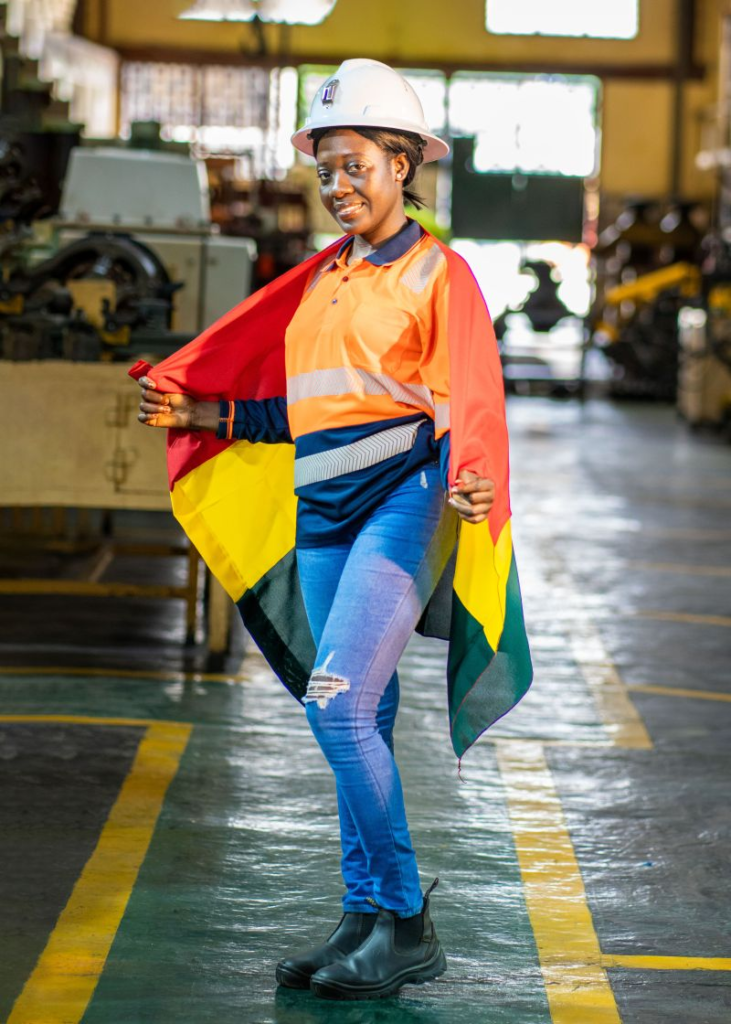
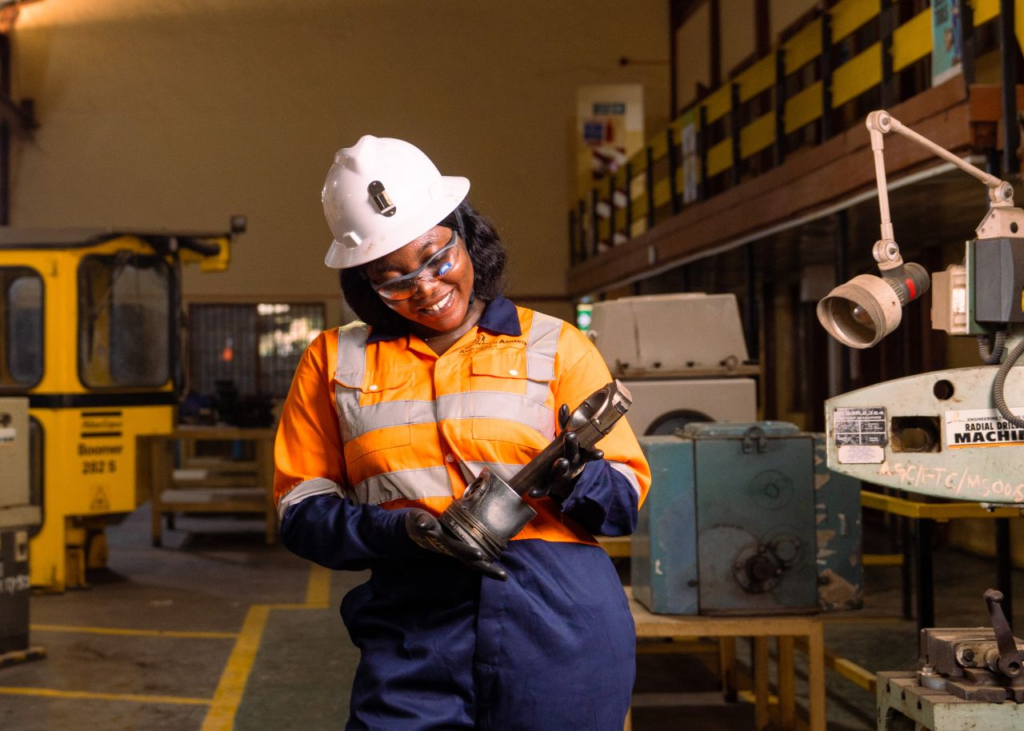
They are on the ground, bolting, greasing, operating equipment, maintaining machinery, managing projects, and delivering results.
Women are contributing across plants, workshops, construction sites, industrial facilities, and even underground operations.
Their impact extends beyond traditionally expected roles. Women are demonstrating their capabilities in haulage, heavy equipment operations, mechanical work, electrical systems, fabrication, and industrial maintenance, while maintaining the professionalism and safety consciousness required in demanding work environments.
Training Creates Opportunity
The lesson is simple: when women are trained, they can deliver. When they are given opportunity, they can lead.
At MAC Partners Training Institute (MPTI), this belief is being translated into practical action.
Today, more than 50 women are undergoing training across critical technical disciplines, including:
- Automotive Mechanical
- Auto Electrical
- Mobile Crane Operations And Rigging
- Industrial Mechanics
- Fabrication
This is more than increasing numbers.
It is about building technical competence, confidence, employability, and leadership capacity.
It is about ensuring that women are equipped with the practical skills required to participate meaningfully in Ghana’s industrial and engineering ecosystem.
From Participation To Leadership
The goal should not simply be to increase the number of women entering engineering.
It should also be to create an environment where women can progress, lead, innovate, and shape the future of the industry.
The question is no longer:
“Can women engineer?”
The evidence increasingly speaks for itself.
The more important question is:
“How fast can we scale access, training, employment, and leadership opportunities for women?”
At MPTI, the commitment is clear: build skills, create opportunities, and help develop a stronger and more inclusive engineering workforce for Ghana.
Because the future of engineering will not be built by one group alone.
It will be built by everyone with the skills, opportunity, and determination to contribute.
Building A Stronger Engineering Workforce
Ghana’s industrial future will require a workforce that is skilled, diverse, adaptable, and capable of solving increasingly complex technical challenges.
That means creating pathways for more women to enter technical education, gain hands-on experience, secure meaningful employment, and progress into leadership positions.
Inclusion must therefore move beyond conversation.
It must become intentional, measurable, practical, and transformative.
Every woman trained is another potential technician, engineer, supervisor, entrepreneur, project leader, or industry executive.
Every opportunity created helps expand the talent pool available to Ghana’s growing industrial economy.