

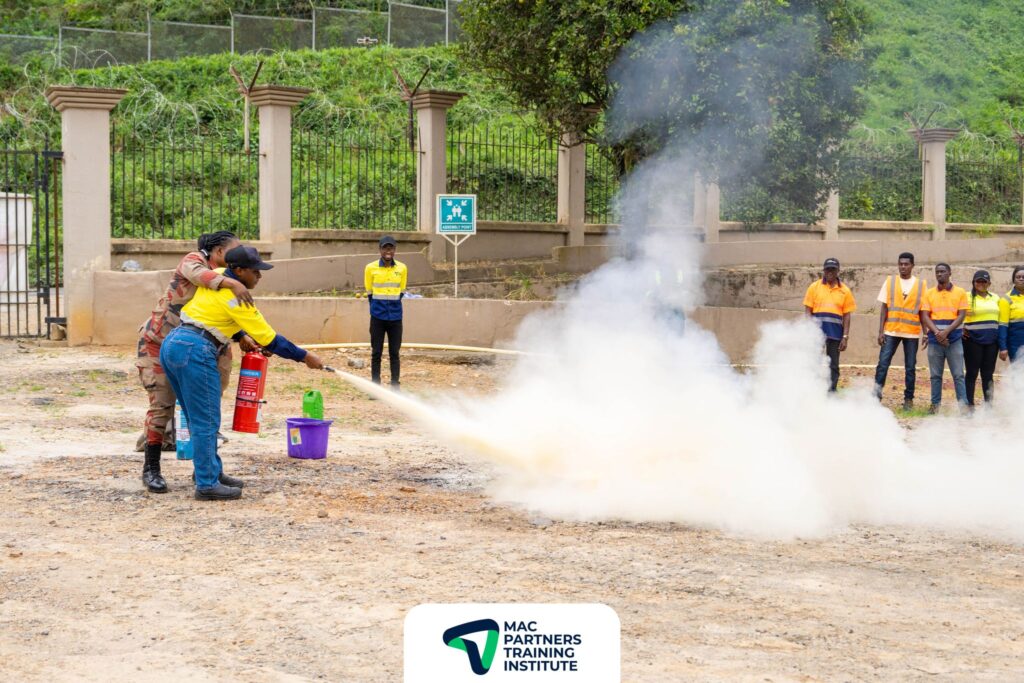
In an emergency, preparation can make the difference between confusion and decisive action.
For workplaces operating around machinery, electrical systems, equipment, fuel, and other potential hazards, fire safety is not simply a regulatory requirement. It is an essential part of protecting people, property, operations, and business continuity.
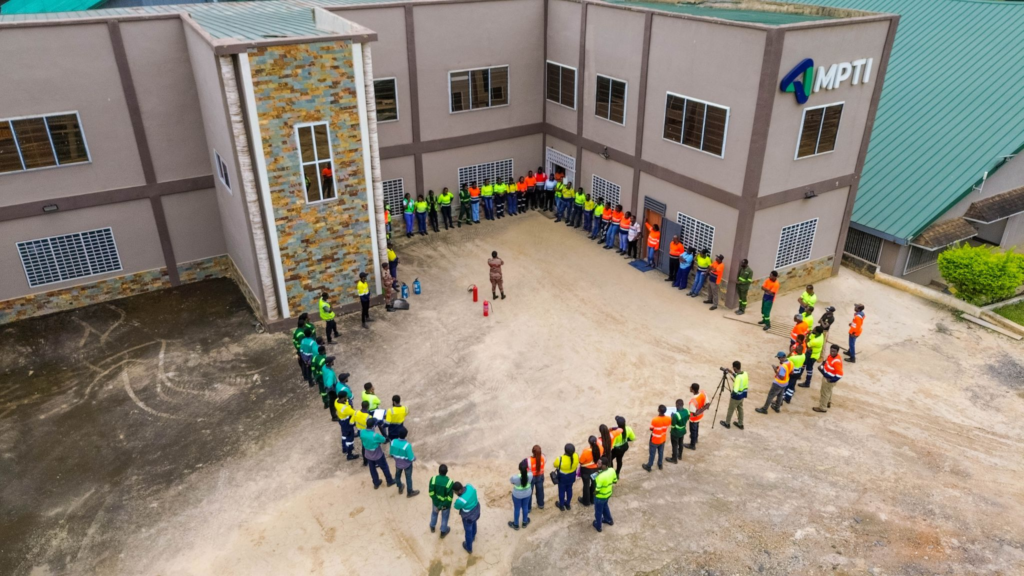
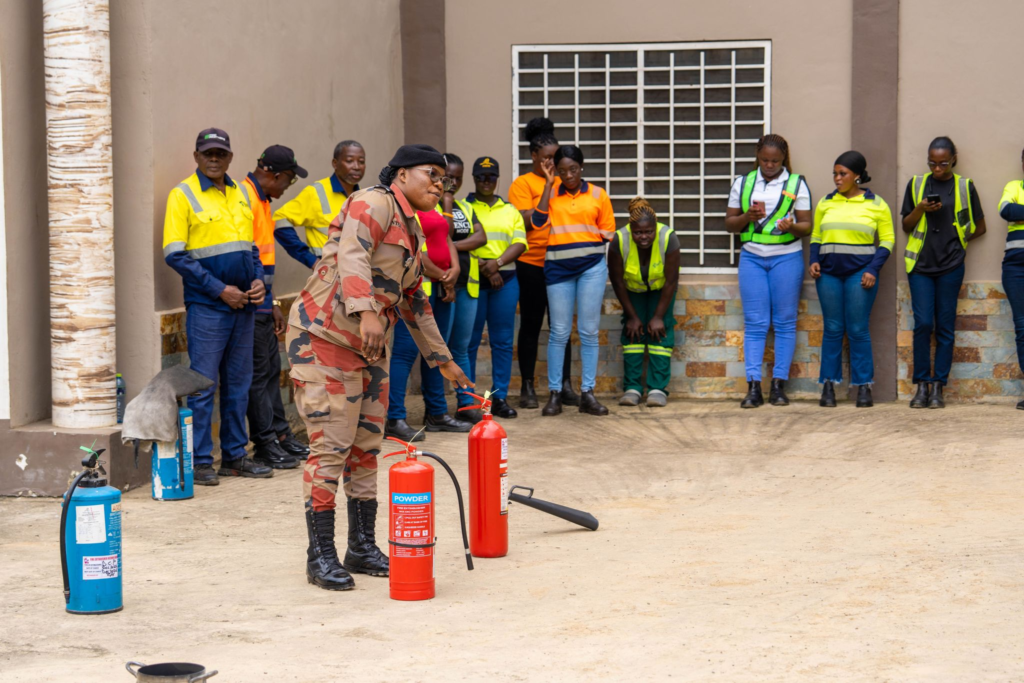
Recognizing the importance of preparedness, MAC Partners Training Institute (MPTI) was proud to host a team from the Ghana National Fire Service (GNFS) for a specialized fire safety training lecture focused on strengthening emergency readiness and promoting a strong culture of safety.
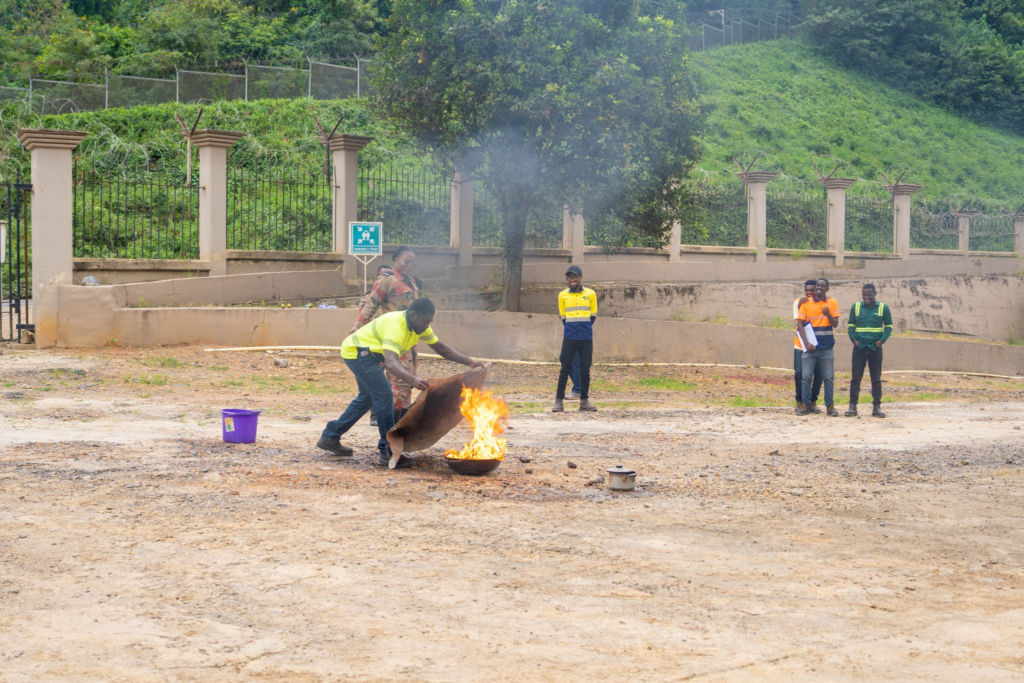
Turning Fire Safety Knowledge Into Readiness
The session provided participants with practical insights into the principles and practices that support effective fire prevention and emergency response.
Key areas covered included:
- Fire prevention
- Hazard identification
- Emergency response procedures
- Effective use of firefighting equipment
- Workplace emergency preparedness
Through expert-led discussions and practical knowledge sharing, participants gained a deeper understanding of how preparedness can influence the way people respond when an emergency occurs.
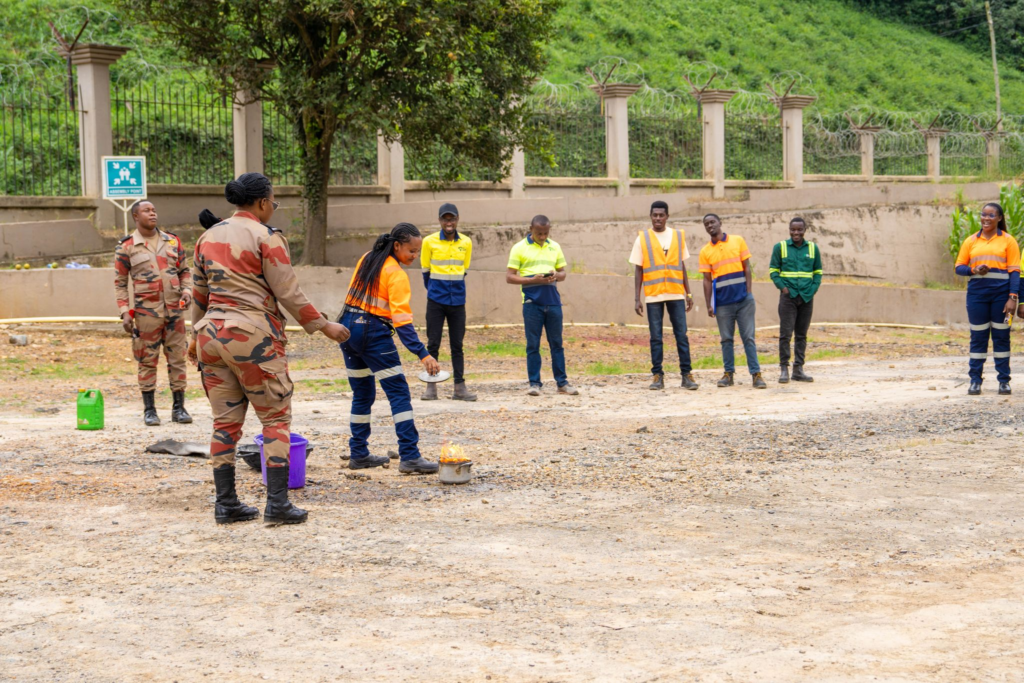
Recognizing Hazards Before They Become Emergencies
Effective fire safety begins long before a fire starts.
Identifying potential hazards, understanding how fires can develop, and knowing the appropriate preventive measures are critical components of workplace safety.
For professionals working in technical, industrial, and mining-related environments, this awareness is particularly important.
A strong safety culture encourages individuals to recognize risks, report hazards, follow established procedures, and take preventive action.
Prevention begins with awareness.
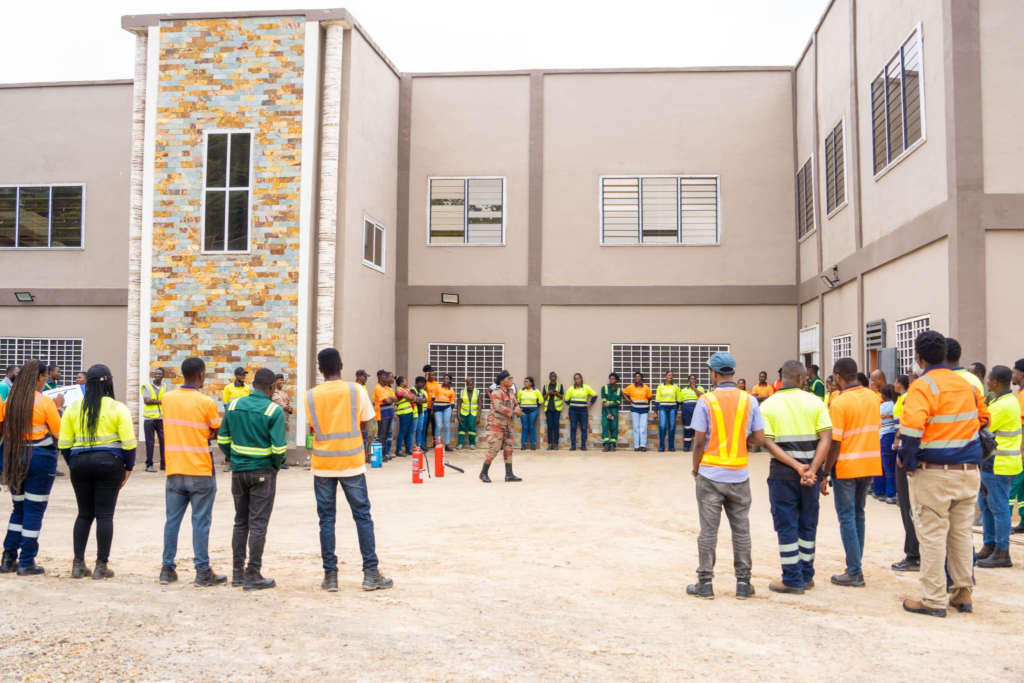
Knowing What to Do When It Matters Most
When an emergency occurs, people need more than general awareness. They need to understand how to respond.
Training helps participants become familiar with emergency procedures and the appropriate actions to take during a fire-related incident.
Understanding evacuation procedures, emergency communication, response protocols, and the correct use of firefighting equipment can help people respond in a more organized and effective manner.
Preparedness is therefore not something that should begin when an emergency happens.
It begins with training.
Building a Culture Where Safety Comes First
A strong safety culture does not develop through policies alone.
It is built through continuous learning, regular training, responsible leadership, and individual commitment.
Every employee, trainee, supervisor, and professional has a role to play in maintaining a safe working environment.
The MPTI and GNFS collaboration reinforces this principle by creating an opportunity for participants to strengthen their knowledge and develop greater awareness of emergency preparedness.
Partnerships That Strengthen Industry
The engagement between MAC Partners Training Institute and the Ghana National Fire Service demonstrates the value of bringing technical education and specialized emergency expertise together.
Strong partnerships allow institutions to share knowledge, strengthen professional capacity, and contribute to safer workplaces.
For MPTI, such collaborations form part of a broader commitment to developing professionals who are not only technically capable, but also safety-conscious, prepared, and responsible.
Preparedness Is Everyone’s Responsibility
Fire safety should never be viewed as the responsibility of one department or one individual.
It is a shared responsibility.
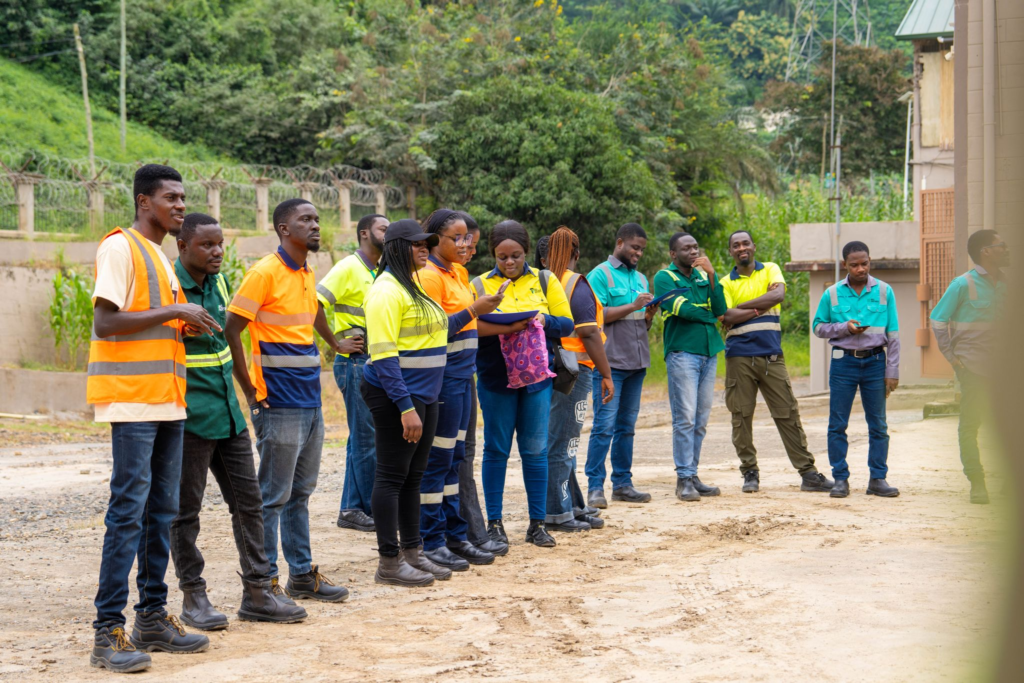
The knowledge gained through training can empower people to recognize risks, respond appropriately, protect one another, and contribute to safer working environments.
At MAC Partners Training Institute, we believe that every lesson that improves preparedness is a step toward a safer workplace.
Learn the risks. Know the response. Protect what matters.
Through continuous learning, strong partnerships, and a commitment to safety, we can help build workplaces that are better prepared for emergencies and more resilient in the face of unexpected challenges.